
A person in a red shirt playing with a Rubik's cube in front of a red background.

Canada’s Productivity Challenge Starts with People.

The Productivity Project is a national research and policy initiative — examining how human capital, learning, skills, and recognition systems can drive Canada's long-term prosperity.

A cross-sector initiative focused on Canada’s productivity future.

The Productivity Project brings together research, policy, business, postsecondary, labour-market, and community expertise to examine one question: how can human capital drive Canada’s productivity?

Why Productivity Matters

  • Productivity shapes prosperity. Higher productivity supports stronger wages, competitiveness, and public services.

  • Skills must be used, not just taught. Learning only drives productivity when people can apply and renew their capabilities at work.

  • Entry-level work is a bridge. Early-career jobs help people build experience, judgment, confidence, and productive capacity.

  • Recognition turns capability into opportunity. Credentials, signals, and recognition systems shape whether people’s capabilities are visible, trusted, and used.

A person sitting on a suspension bridge over a lake, with mountainous landscape and snow-capped peaks in the background.

Six focus areas shaping Canada’s productivity future

Human Capital & Productivity

Learning, Skills, Capability Development

Entry-Level Work and Career Pathways

Labour-Market Disruption

Recognition and Open Learning Systems

Regional Human Capital Systems

Research designed for policy, practice, and public debate

Series 1

Productivity & People

Series 1’s six reports reveal how people drive labour-market productivity, charting policy paths to unlock the full potential of both our learning ecosystem and every individual.

Series 2

Talent Reimagine

Series 2 charts a decade-long policy roadmap to unlock human capital—introducing a transformative open learning architecture with learners at its core, delivered across 10 in-depth reports.

Series 3

The End of Entry-Level Jobs

Landing your first real job has always been tough, but now the bridge from school to work is collapsing. Series 3 exposes the breakdown and policy paths to rebuild this key transition.

Series 4

The Evergreen Model

Today’s volatile labour market isn’t an anomaly—it’s driven by rapid skill depreciation. To compete, Canada needs a learning architecture that makes adaptive capability the core workforce skill.

Find the research most relevant to your work

Policymakers

Evidence and policy pathways for productivity, workforce development, open learning, recognition, and human capital renewal.

Employers

Insights on talent pipelines, entry-level work, skills, recognition, workplace capability, and productivity.

Educators

Research on open learning, adaptive capability, credentials, lifelong learning, and transitions into work.

Media & Event Organizers

Commentary, interviews, briefing materials, and speakers on productivity, human capital, learning, and Canada’s future of work.

Bring evidence into the productivity conversation.
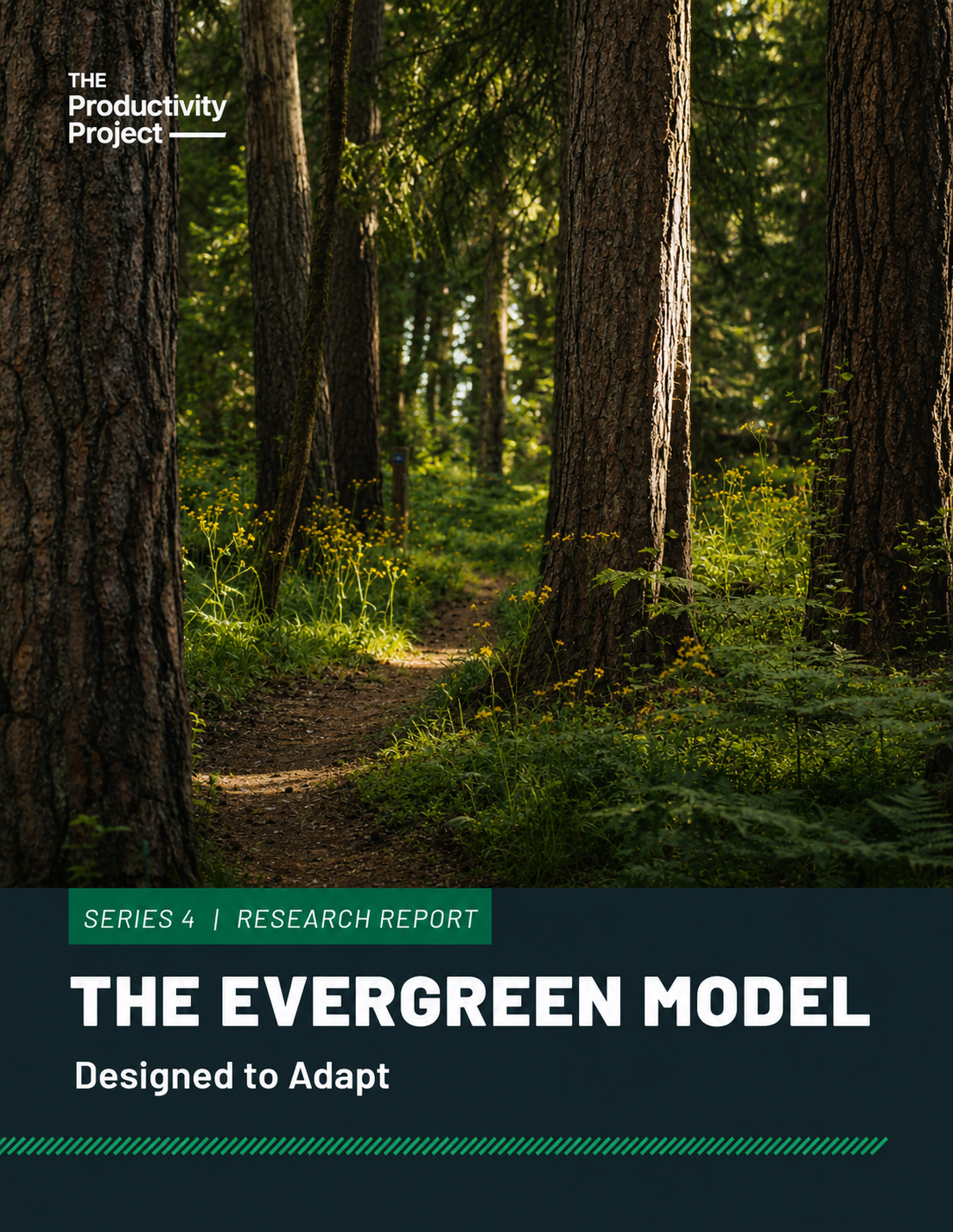
The Evergreen Model

How can we design and scale a development system optimized for developing adaptive capability?
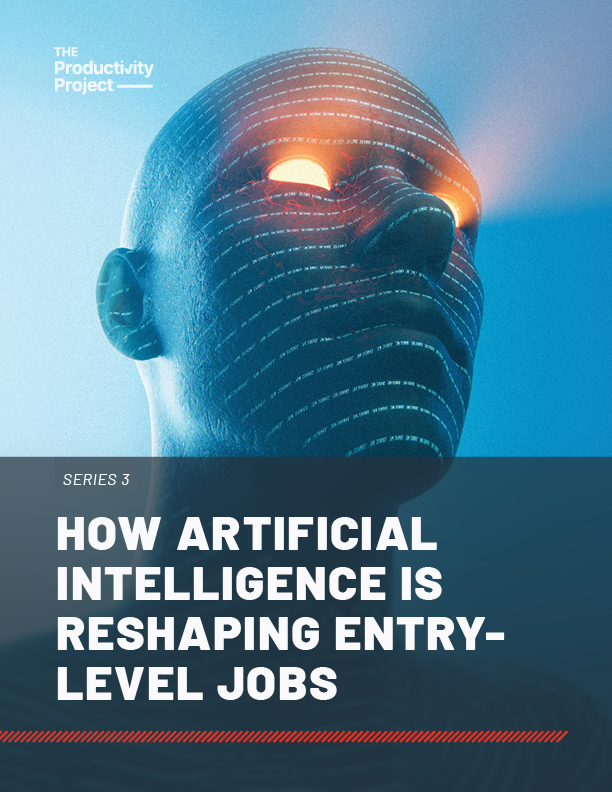
How AI is Reshaping Entry-Level Jobs

How is AI reshaping the future of entry-level jobs, and how can we prepare for it?

Drive Canada’s Productivity with Evidence.